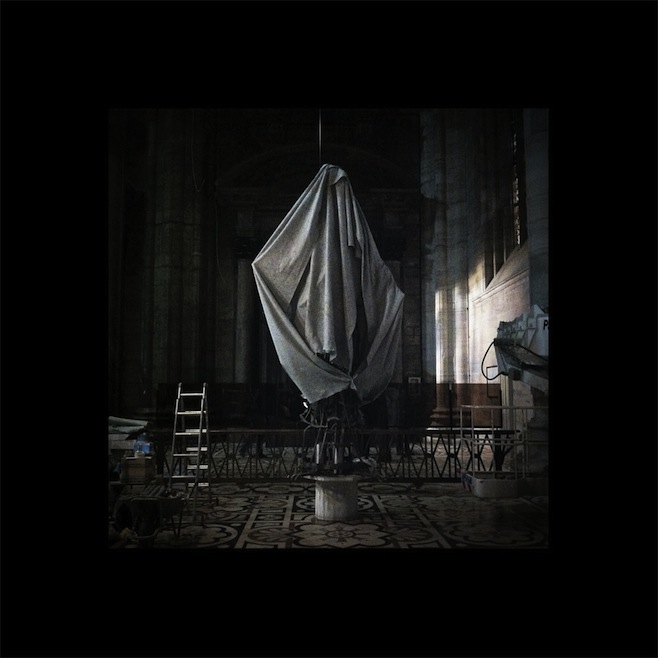
- The first thing you’ll notice about Tim Hecker is that his star has risen faster than the hype. He’s risen so fast, in fact, that the Internet doesn’t yet have a neat way of describing his work, so people are working hard to fill the gaps.
Maybe he plays ‘shoegaze for the computer age’ or maybe it’s just ‘fake church music.’ Maybe he builds monuments of sound from the ground up or maybe his approach is more deconstructive, like the infamous ‘piano drop’ that adorns the cover of his 2011 album Ravedeath, 1972.
It’s easier to talk about what he does than what he sounds like. This Montreal-based sound artist uses the space of the studio to create tracks that incorporate elements of doomy, saturated noise, delicate ambience and cerebral minimalism. Basically he makes the loudest ambient music you’ve ever heard, and he’s been doing it since 2001.
While Ravedeath felt full-on and relentless like a heavy curtain, Hecker takes a more nuanced approach on new album Virgins, which is far darker and eerier than its predecessor. The massive teeth-on-edge whoosh of introductory drone piece Prism gets startlingly loud before giving way to the unsettling piano jangle of Virginal I. This piece blends strings, computer and the unmistakeable Colin Stetson to create sound with no origin, a little like the recent organic noise of Swans.
After the ethereal Actress-like interlude of Radiance, acoustics return with a vengeance on the two-part Live Room, wherein Hecker guides another creepy John Carpenter piano motif into thunderous territory. Eventually shoegaze guitars, glitchy Merzbow wobbles and grainy synths give way to the delicate woodwind of Part II. Elegantly messy in a way that recalls Fennesz’s Black Sea, it’s the high point of the album.
After this brief respite, the earlier piano jumble fades creepily back into Virginal II. Just as the piece builds towards yet another operatic climax, however, Hecker keeps it from stagnating by splicing in a stuttering Oneohtrix Point Never synth loop.
After all this intensity, the album then enters more uncertain territory. The solo piano of Black Refraction sounds like Hauschka doing Boards Of Canada, before two fairly static, pretty interludes inject a calculated unease.
Focus is regained on Stigmata, a beautiful set that comes off somewhere between Blanck Mass and My Bloody Valentine’s Wonder 2, before the album lurches to a stark end with the crisp Stab Variation, which would not be out of place on Ben Frost’s By The Throat.
And that’s the album. Virgins may be unsettling and short on melody — like one giant programmatic piece — but if you trust in Hecker’s vision, the sheer power of this climactic work is undeniable. It’s muscular, delicate and entirely his own, roaring like the ocean through headphones.
- Henry Reese.
Tim HeckerVirgins

Zoë (sparrow)It Takes All Of Us

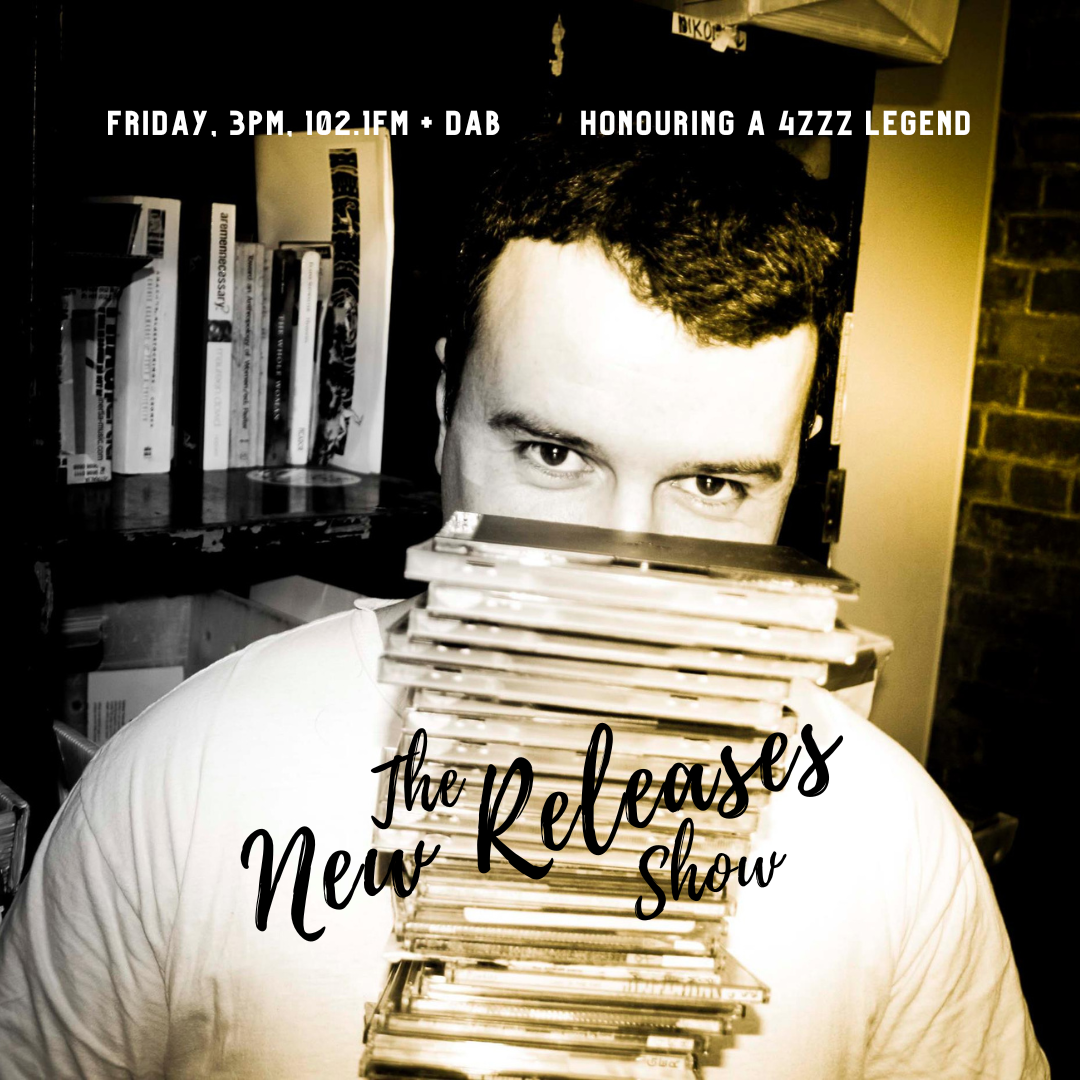
Chris CobcroftNew Releases Show
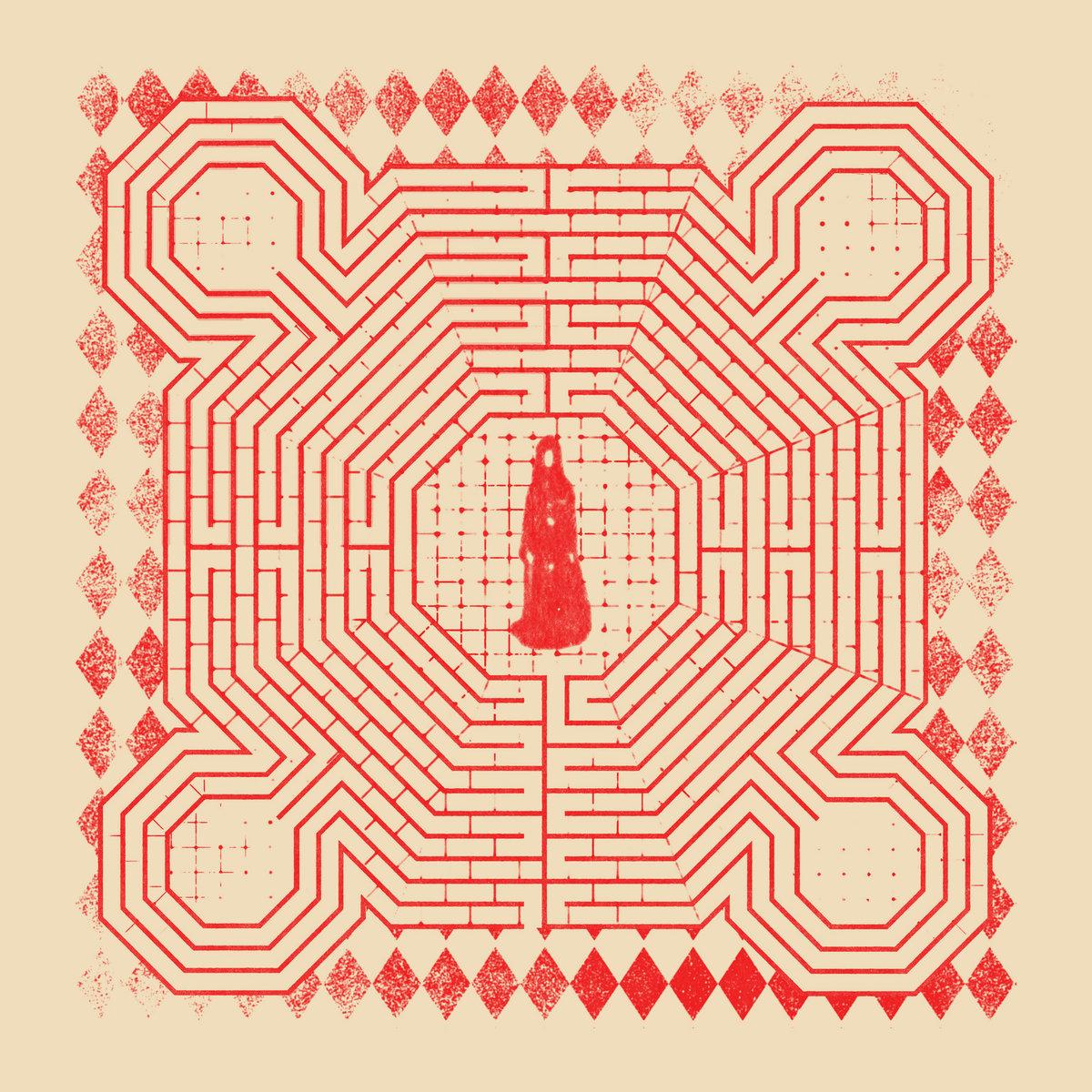
Slowdiveeverything is alive
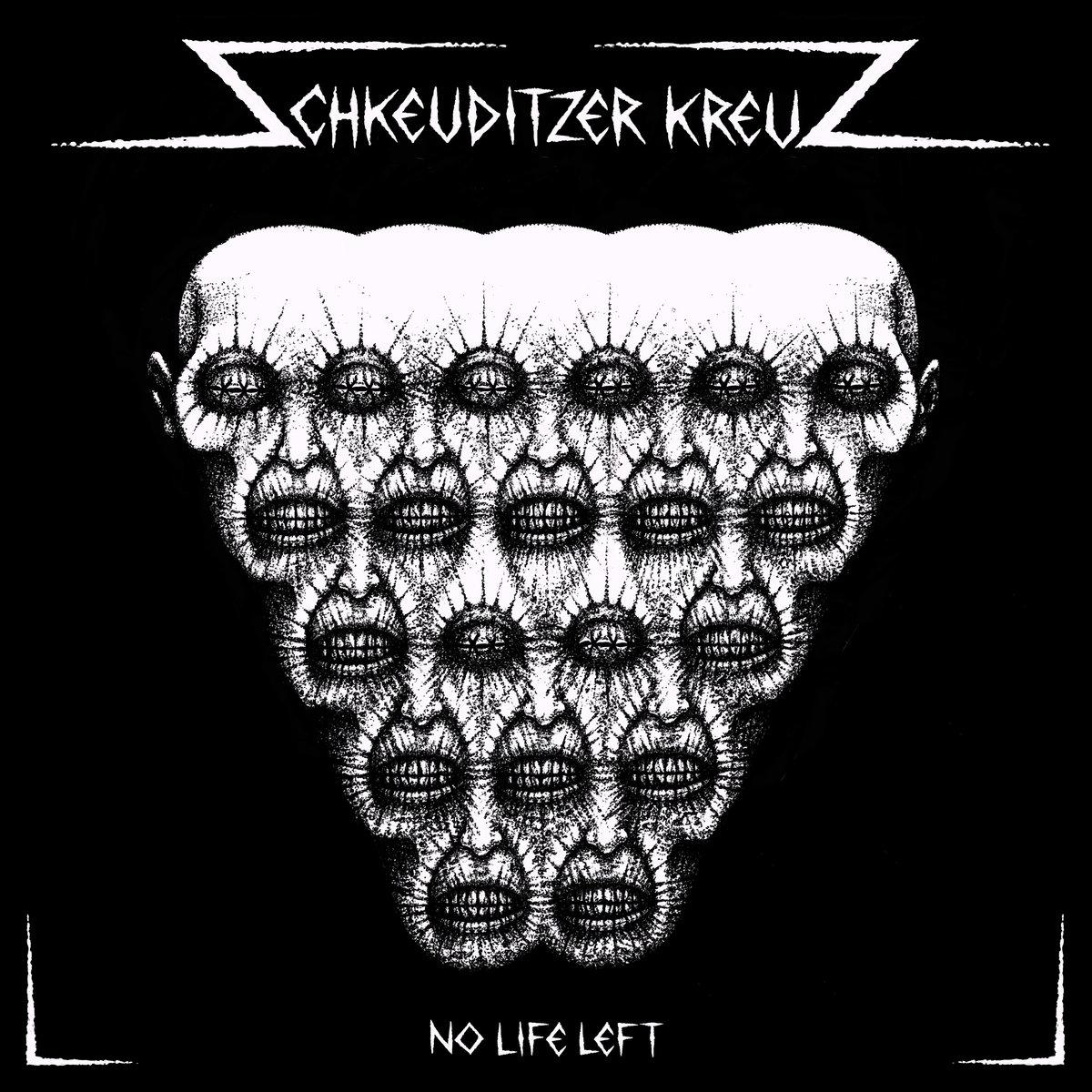
Schkeuditzer KreuzNo Life Left
Magic City CounterpointDialogue

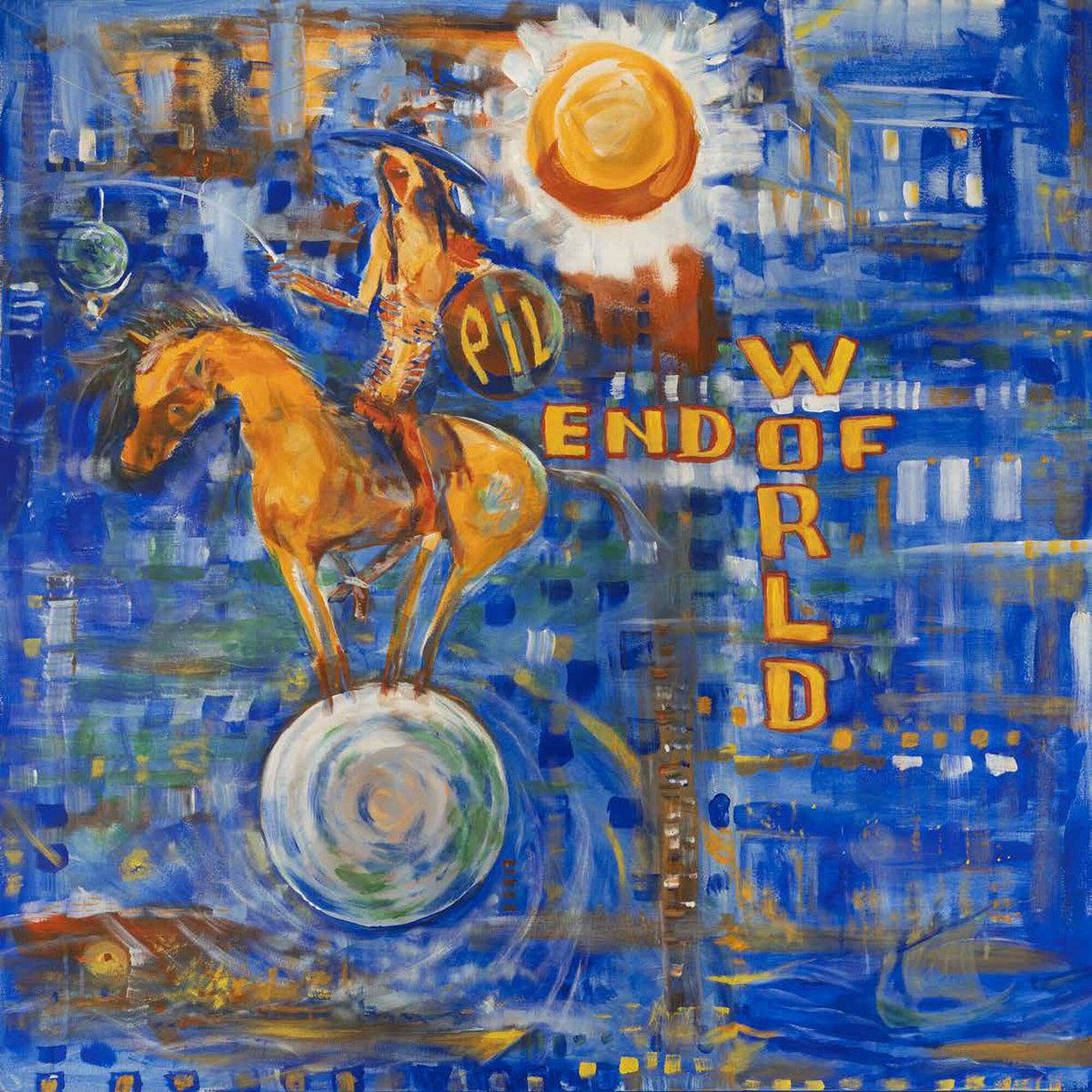
Public Image LimitedEnd Of World
SejaHere Is One I Know You Know

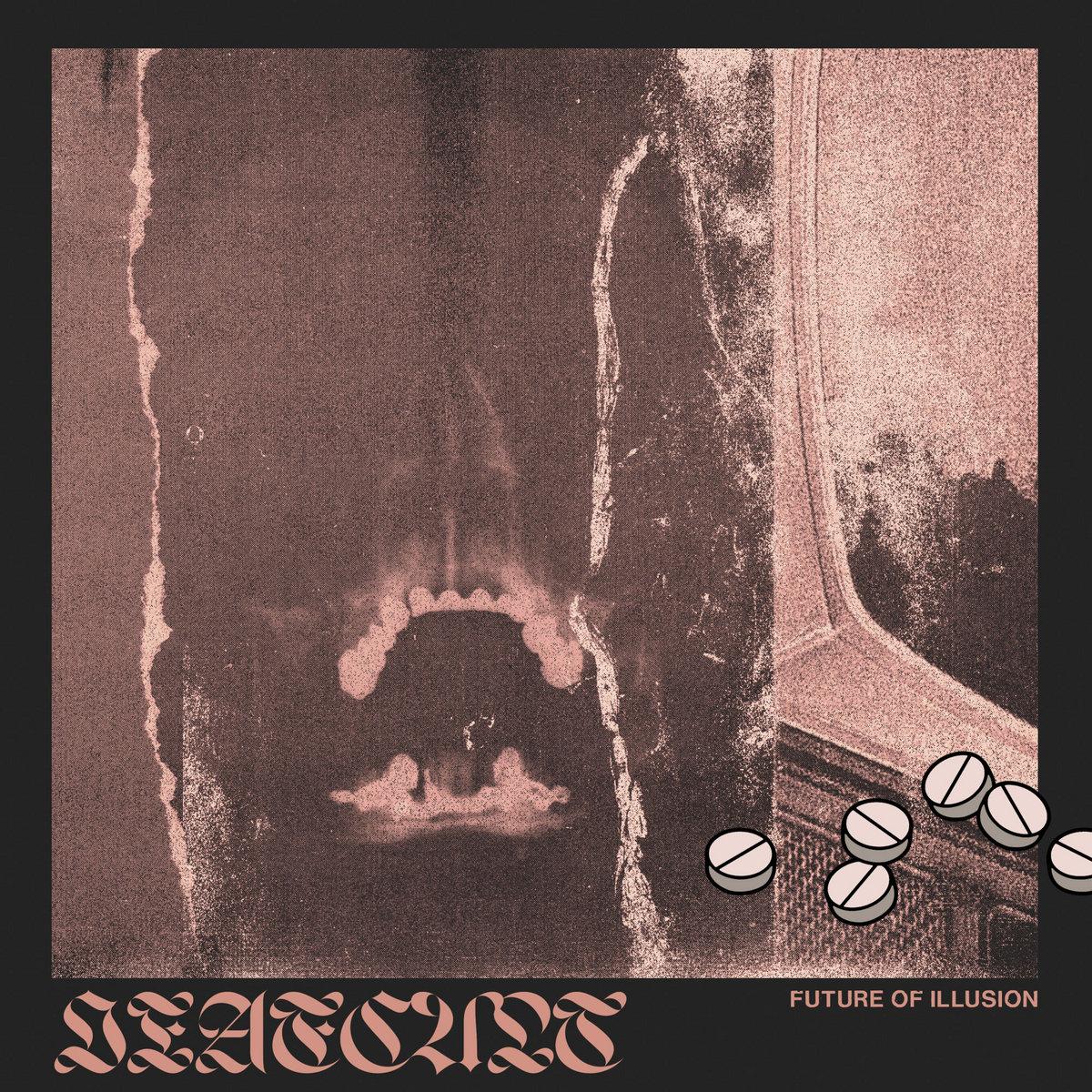
DeafcultFuture of Illusion
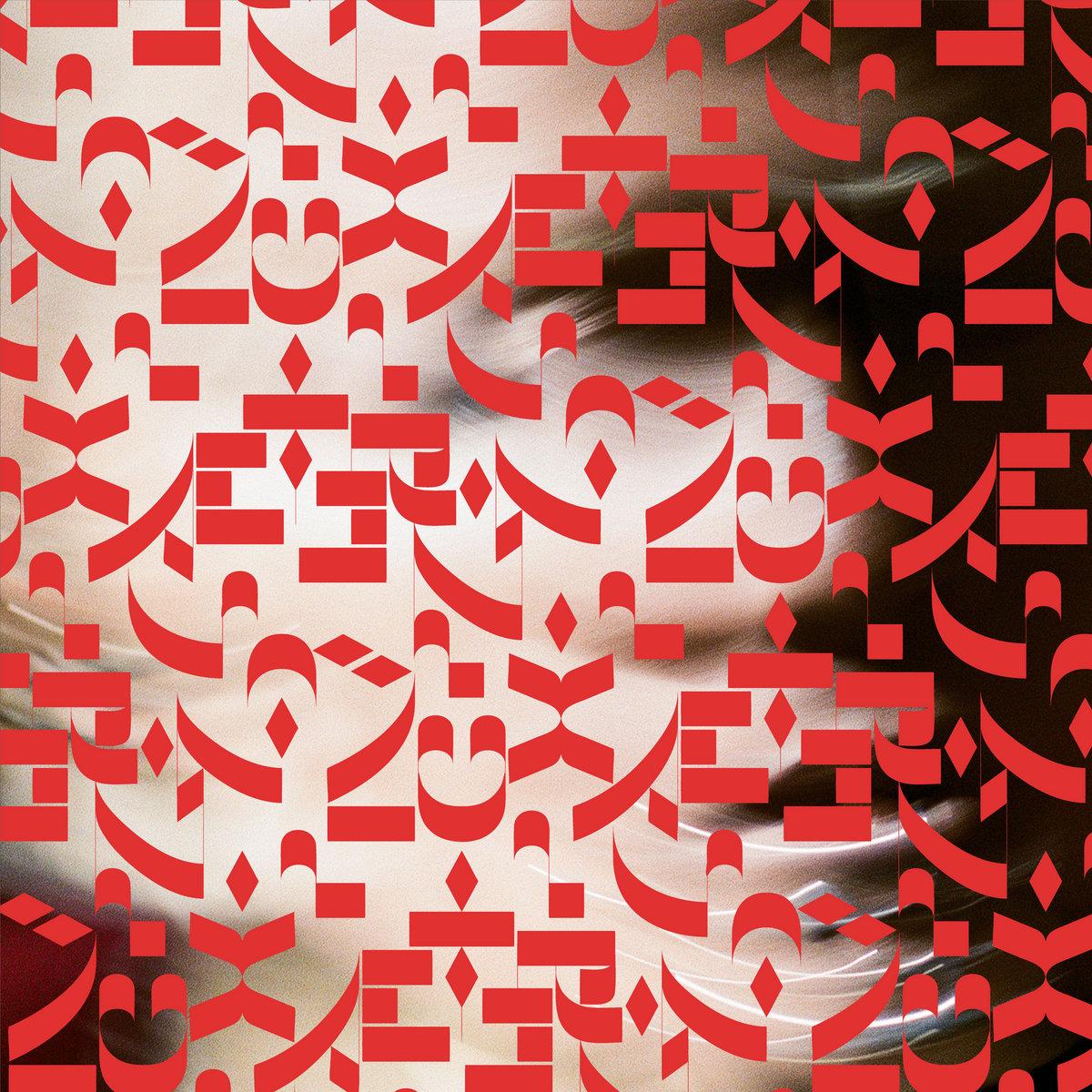
CorinLux Aeterna
FingerlessLife, Death & Prizes